More than 8,500 delegates gathered in Barcelona to share cutting-edge science, strengthen collaborations and shape the future of liver disease care and policy.

EASL Congress 2026 has concluded after four days of scientific exchange, collaboration and innovation, bringing together the global liver health community in Barcelona, Spain, and online. With more than 8,500 attendees from 120 countries and 2,278 scientific abstracts, this year’s congress once again reinforced its position as a world leading meetings in hepatology.
touchIMMUNOLOGY coverage of EASL 2026
Throughout the congress, delegates engaged with a comprehensive programme of educational sessions, late-breaking research presentations, expert panel discussions and networking events designed to advance understanding across the spectrum of liver disease. From emerging therapeutic approaches and advances in diagnostics to prevention strategies and public health policy, the meeting showcased the breadth of progress being made across hepatology.
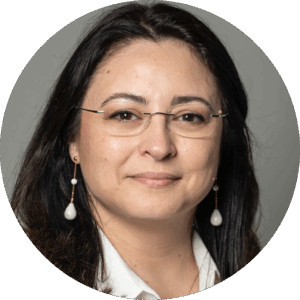
Reflecting on the success of the event, EASL Vice-Secretary General Prof. Ana Lleo said:
“With more than 8,500 attendees, EASL Congress 2026 demonstrated once again that there is no substitute for gathering the global hepatology community in one place. The quality of the science set a high bar, but it was the density of meaningful exchanges that made Barcelona truly exceptional.”
Scientific advances signal a new era in hepatology
A key theme throughout EASL Congress 2026 was the rapid pace of innovation across liver disease research and clinical practice. Delegates heard about advances spanning alcohol-related and metabolism-related liver conditions, viral hepatitis, immune-mediated and cholestatic diseases, hepatocellular carcinoma, cirrhosis and liver transplantation, with a growing number of novel therapeutic options advancing through clinical trials.
 The congress highlighted how scientific discoveries are increasingly translating into meaningful improvements in patient care, offering new opportunities to diagnose, treat and prevent liver disease more effectively than ever before.
Commenting on the progress presented during the meeting, EASL Scientific Committee Chair Dr Sarwa Darwish Murad said:
“This year’s EASL Congress was truly exciting! We have seen major advances and new therapeutic options in almost all areas of hepatology, which is unique. The field is making major leaps forward and that is a very good thing for our patients!”
These developments were reflected throughout the programme, which combined cutting-edge science with practical educational sessions designed to support healthcare professionals in translating new evidence into everyday clinical practice.
Networking and collaboration at the heart of the congress
While the scientific programme remains central, EASL 2026 also served as a vital forum for networking and collaboration among stakeholders from across the liver health community.
 Policy, Public Health and Advocacy (PPHA) Councilor Prof. Shira Zelber-Sagi highlighted the importance of these interactions, noting:
“The congress offered major opportunities for networking and collaboration by bringing together hepatologists, policymakers, public health experts, patient advocates, and allied healthcare professionals around shared advocacy goals.”
One of the most significant collaborative initiatives discussed during the meeting was the expansion of the Global Liver Advocacy Network (GLAN). According to Prof. Zelber-Sagi:
“One of the most important collaboration platforms was the expansion of the GLAN, which united stakeholders across countries to share expertise, replicate successful advocacy initiatives, and drive coordinated liver health policy action globally.
Their dedicated congress session on youth liver health education highlighted how international partnerships can translate scientific evidence into school-based prevention initiatives. The session explored evidence-based approaches for integrating liver health into school curricula.”
Advocacy and policy take centre stage
Alongside the scientific programme, EASL Congress 2026 highlighted the growing importance of advocacy and policy in improving liver health outcomes worldwide.
Prof. Shira Zelber-Sagi pointed to several discussions that demonstrated how the hepatology community is influencing public health policy. One important area of focus was the work of the European Health Alliance on Alcohol (EHAA).
“The EHAA sessions demonstrated how the WHO and 28 European medical organizations representing more than two million healthcare professionals are now speaking with one voice to reduce alcohol-related harm across Europe.“
Prof. Zelber-Sagi noted that two particularly important policy milestones discussed during the congress were the strong support for mandatory alcohol health warning labels and Codex-led international alcohol labelling standards, alongside growing efforts across Europe to counter alcohol industry misinformation and reduce the influence of commercial actors on public health policy.
“These discussions were highly relevant because they showed how hepatologists can actively engage in policy advocacy beyond clinical care, particularly around alcohol harm reduction and prevention strategies. The sessions provided practical insight into how evidence can be translated into legislation, including alcohol labelling, taxation, and restrictions on marketing targeting young people.”
Another major topic was the recent adoption of the World Health Organization resolution on steatotic liver disease (SLD), which was widely recognized as a landmark moment for the field.
“The adoption of the SLD resolution at the 79th World Health Assembly marked the first formal recognition of liver disease within the WHO global non-communicable disease framework.” explained Prof. Zelber-Sagi, who described the resolution as:
“A landmark achievement for hepatology and global liver advocacy because it will drive integration of SLD into national NCD strategies, increase funding opportunities for diagnostics and screening, and strengthen cross-sector collaboration linking liver disease with obesity, metabolic disease, and cardiovascular health.”
The focus on international collaboration and consensus-building was also reflected in discussions surrounding acute-on-chronic liver failure (ACLF). Held ahead of EASL 2026, the Global ACLF Consensus Meeting brought together leading experts from around the world to work towards a unified global definition of the syndrome; an important milestone that could help harmonize research, improve clinical trial design and ultimately enhance patient care. Further insights into the initiative are available in touchIMMUNOLOGY’s interview with EASL Secretary General Prof. Debbie Shawcross.
Continuing the conversation beyond Barcelona
As delegates leave Barcelona, the legacy of EASL 2026 will be measured not only by the scientific discoveries presented but also by the collaborations formed, the advocacy initiatives strengthened and the shared commitment to improving liver health globally.
Attention is already turning to the future, with EASL announcing that EASL Congress 2027 will take place in London, UK, from June 16–19, 2027. Building on the momentum generated this year, the global hepatology community will once again come together to share knowledge, foster innovation and continue advancing the field for the benefit of patients worldwide.
This content has been developed independently by Touch Medical Media for touchIMMUNOLOGY. It is not affiliated with the European Association for the Study of the Liver (EASL). Views expressed are the speaker’s own and do not necessarily reflect the views of Touch Medical Media. Image and/or quotes: © 2026. EASL.
Cite: EASL 2026 brings together the global hepatology community to advance liver health. touchIMMUNOLOGY. June 4 2026.
Editor: Victoria Smith, Senior Content Editor.