Findings from a retrospective cohort study presented at EULAR 2026 highlight the burden and predictors of frailty in RA.

Frailty is increasingly recognized as an important syndrome in rheumatoid arthritis (RA), occurring more frequently and at younger ages than in the general population.
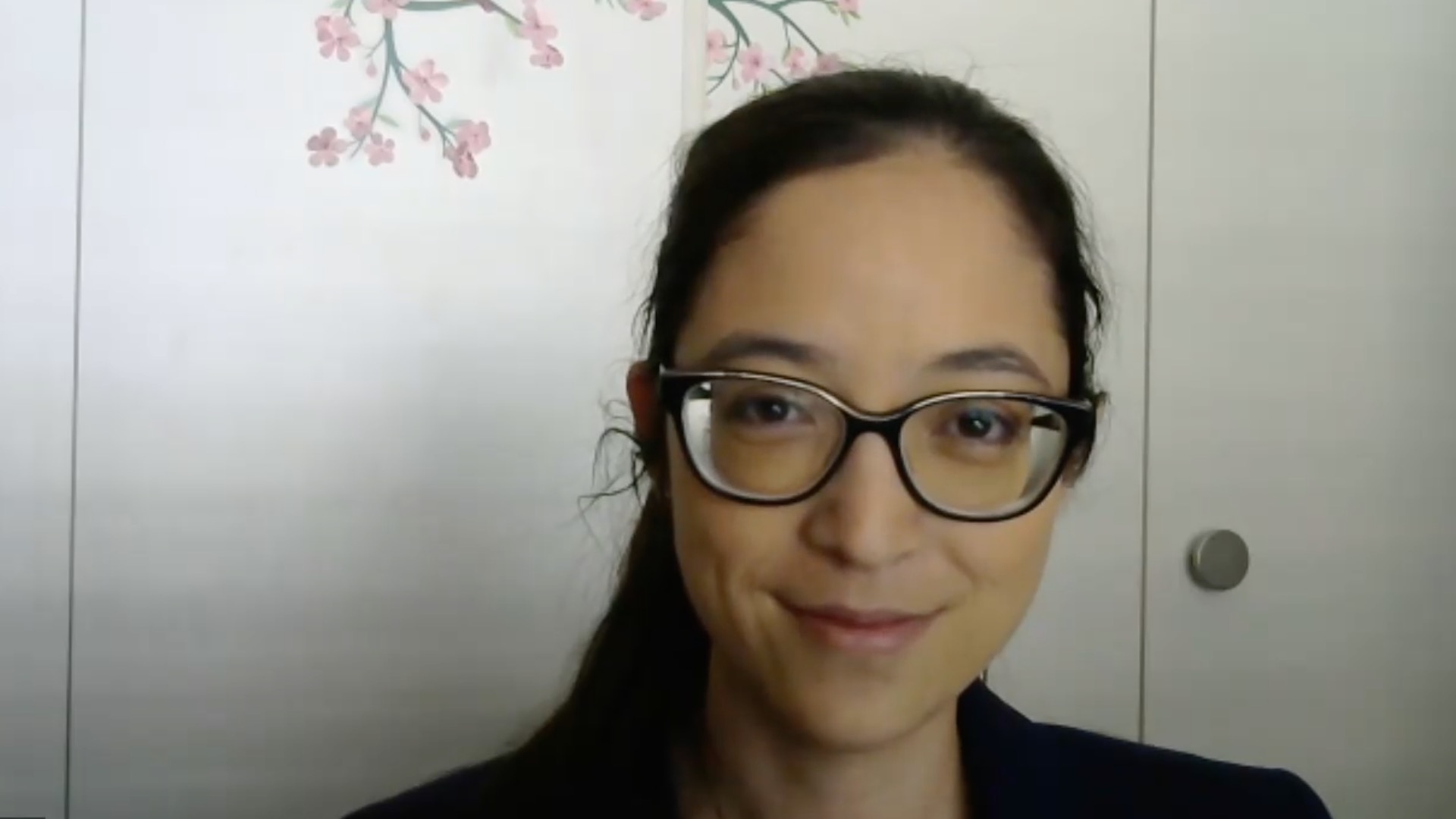
In this interview, Editorial Board member Dr Elena Myasoedova (Mayo Clinic College of Medicine and Science, USA) explores the importance of frailty in the risk stratification and long-term management of RA, discussing the aims, design, key findings, and clinical implications of a retrospective cohort study investigating the incidence and risk factors for frailty in RA.
Abstract: Incidence and Predictors of Frailty in Rheumatoid Arthritis: A Population-Based Cohort Study. EULAR 2026, June 3– 6, London, UK.
touchIMMUNOLOGY coverage of EULAR 2026
My name is Elena Myasoedova and I’m Professor of Medicine and Epidemiology and Director of the Inflammatory Arthritis Group in the Division of Rheumatology at Mayo Clinic, Rochester, Minnesota.
Why is it important to consider frailty in risk stratification and long-term management of RA?
Frailty is a very important state to evaluate because it can dramatically change prognosis and reflect different degrees of vulnerability of patients with similar characteristics of disease activity or social demographics. Frailty can be associated with the likelihood of hospitalization, mortality, developing adverse effects to medications, falls, and other negative outcomes. It is important to understand whether an individual is pre-frail, frail or robust to make an association with their trajectory.
What were the aims and design of your retrospective cohort study?
Our retrospective-based cohort study leveraged resources from the Rochester Epidemiology Project – a linkage system that ensures a virtually complete record of patients with clinically recognized RA and avails comparators for the study. Using that resource, we assembled a cohort of patients who fulfilled the classification criteria for incident RA between 2000 and 2019, and we followed them through mid-2025 to determine frailty outcomes. We also had non-RA comparators who were matched 1:1 to RA patients. We had 910 subjects in each group and compared cumulative incidence of frailty and evaluated the risk factors associated with frailty.
What were the key findings from the study?
What we found was actually very interesting. At 10 years, cumulative 10-year incidence of frailty in patients with RA was 30%, whereas, in the comparator group it was 19.6%, so quite a lot higher in patients with RA. At 20 years, 53% of patients with RA had frailty compared to 35% in the non-RA population, again demonstrating quite a significant difference. To quantify the frailty risk, we estimated hazard ratios and found that patients with RA had 1.8 times higher likelihood of incident frailty after disease onset compared with the non-RA population.
What risk factors for incident frailty did you identify?
Among the risk factors, older age was an important contributor, as were lower education and multiple cardiovascular risk factors such as hypertension, diabetes, and hyperlipidemia. We also identified RA-specific disease characteristics, including the presence of rheumatoid nodules and higher ESR levels, as well as the use of medications such as biologics and steroids.
These medication associations may be partially confounded by indication, as patients with more severe RA are more likely to receive advanced therapies or glucocorticoid treatment. As such, these associations between medications and frailty should not be interpreted as causal but can be indirect markers of RA severity that are associated with frailty outcomes. Overall, there were several contributors to frailty in RA. As a result, patients with RA had 1.8 times higher incidence of frailty.
We also found that frailty became more common in more recent cohorts, so in patients who had RA onset between 2010 and 2019, compared to those with onset of RA in the 2000s. This was not observed in the non-RA population. This was observed in RA patients specifically and particularly in those with seropositive RA.
What is the clinical significance of these findings?
It is important to be aware of how frequent this outcome of frailty is. As mentioned, approximately one-third of patients with RA had frailty at the 10-year mark and 50% at the 20-year mark. We therefore need to recognize those risks and consider the risk factors associated, including modifiable cardiovascular risk factors and RA disease characteristics that can potentially be modified to circumvent this increased risk. We need to address the cardiometabolic risk alongside taking a treat-to-target approach for RA.
It remains to be determined whether steroids independently contribute to this or the association that came up in this study came mostly from disease severity. This is impossible to disentangle as part of the observational study, but future prospective studies may help to understand that. Overall, it is important to focus on increasing awareness, modifying risk factors, providing appropriate patient counselling, and ensuring that healthcare providers are informed about these risks.
What hot topics and new research have you been most interested in at EULAR 2026?
There were a couple of very interesting presentations in the session I was a part of showing AI use for quantification of RA specific musculoskeletal imaging findings, particularly tenosynovitis and erosions. It will be very interesting to see how this develops further and validates and reaches clinical practice, because of course this can offer opportunities at scale as opposed to manual quantification of different abnormalities on radiographs and other imaging modalities. If you can apply this at scale and use it reliably, that will be a very exciting next step.
This content has been developed independently by Touch Medical Media for touchIMMUNOLOGY in collaboration with Dr Elena Myasoedova. Views expressed are the speaker’s own and do not necessarily reflect the views of Touch Medical Media.
Disclosures: Elena Myasoedova discloses consulting for Amgen, and receiving grant/research support from NIH.
Cite: Frailty in rheumatoid arthritis: Incidence, risk factors and clinical implications. touchIMMUNOLOGY. June 18 2026.
Editor: Victoria Smith, Senior Content Editor.