As 2025 draws to a close, we’re celebrating another remarkable year of growth, collaboration and innovation at touchIMMUNOLOGY.
From thought-provoking expert interviews and peer-reviewed research to dynamic conference coverage and an expanding portfolio of medical education, this year has been defined by meaningful conversations and impactful learning. We’ve had the privilege of engaging with leading clinicians, researchers and partner societies across the globe – bringing together diverse voices to support the immunology community with timely, accessible and authoritative content.
As we reflect on the past 12 months, we’re proud to highlight the moments, milestones and stories that shaped our year.
Here are just some of the standout highlights from 2025.

Conference and news coverage
We’ve been hard at work this year covering leading international conferences, including EULAR, UEG, AAAAI and ACR, highlighting ground-breaking policy, and the latest clinical updates. From news roundups to rapid-fire news blasts, we’ve made staying informed about the latest in immune system disorders quicker and easier than ever.
Top 5 most viewed interviews
1. Microplastics and gut health: First evidence of effects on human microbiome
Emerging research shows that microplastics can alter the human gut microbiome, impacting bacterial composition and metabolism. Christian Pacher-Deutsch discusses a novel laboratory approach exposing gut microbiome cultures to real-world microplastic particles and explores the findings and what they could mean for human gut health and disease.
The ASSURE phase 3 trial (NCT03301506) is exploring the long-term safety and efficacy of seladelpar, a first-in-class PPAR-delta agonist, in patients with primary biliary cholangitis (PBC) who rolled over from the RESPONSE study. In this interview, Dr Andreas Kremer (University Hospital Zurich, Switzerland) discusses the aims of the trial and insights from its interim analysis, highlighting what these early findings could mean for the future of seladelpar in PBC management.
The liver macrophage niche plays a central role in maintaining hepatic homeostasis and driving responses to injury. Advances in intravital microscopy are providing unprecedented insights into how these cells adapt in both health and disease, opening new avenues for understanding liver pathophysiology. In this Q&A, Dr Moritz Peiseler highlights how intravital microscopy reveals the dynamic, environment-dependent behaviour of liver macrophages, showing early disease-related changes that could guide new diagnostic and therapeutic strategies, while emphasizing the innate immune system’s memory and the potential for future human applications.
In this exclusive interview, Professor Detlef Schuppan discusses the latest findings from the phase 2b CEC-004/CEL clinical trial evaluating ZED1227, a first-in-class inhibitor of tissue transglutaminase, for the treatment of symptomatic celiac disease. The study, presented at UEG Week 2025 in Berlin, sheds new light on histologic improvement, symptom response, and the ongoing challenge of differentiating true celiac activity from IBS-like symptoms.
5. From mechanism to clinical impact: Dupilumab in children with eosinophilic esophagitis
Eosinophilic esophagitis (EoE) is a chronic, often debilitating condition that can significantly impact children’s growth and quality of life. Dupilumab, a fully human monoclonal antibody that inhibits IL-4 and IL-13 signaling, has emerged as a promising treatment option. In this Q&A, Dr Margaret H. Collins discusses the burden of pediatric EoE, the mechanism of action of dupilumab, and key findings from the phase 3 EoE KIDS trial, which demonstrated meaningful improvements in disease activity and a safety profile consistent with prior studies.
Top viewed news articles

-
- UEG Week 2025: Innovation, collaboration and discovery in digestive health
- What’s New in the 2025 ACG Crohn’s Disease Guidelines: Personalized Care and Advanced Therapies
- ACR Convergence 2025: Emerging insights and late-breaking data
- 3 breakthrough HAE treatments in 2025 that could transform hereditary angioedema care
- Immunometabolism in MASH therapies: a new frontier in treating liver inflammation
Launch of the ‘Future Leaders’ initiative
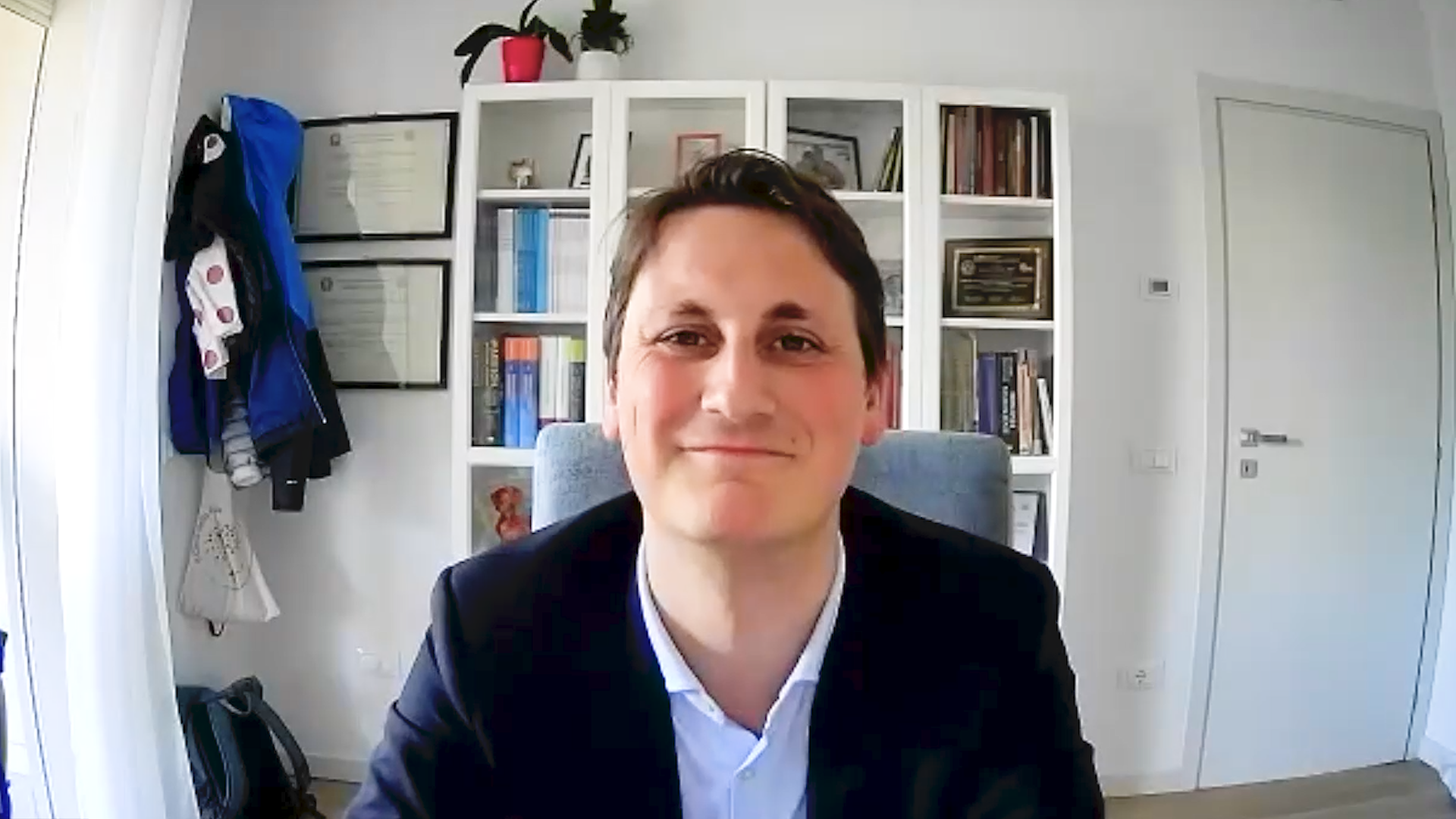
Introducing the touchIMMUNOLOGY Future Leaders 2025
As touchIMMUNOLOGY approaches 5 years of providing education for busy healthcare professionals involved with immune-related conditions, we are looking to the future—and it certainly looks bright!
This year, we are celebrating our inaugural touchIMMUNOLOGY Future Leaders to recognize the outstanding talent that has entered our field in recent years. These individuals are set to innovate and transform the field in the years to come.
Following the success of this year’s programme, we’re excited to announce that nominations for the 2026 cohort will open early next year.
 Journal highlights
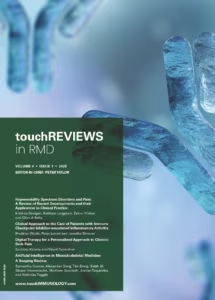
Volume 4, Issue 1 of touchREVIEWS in RMD is online here.
As the field of rheumatic and musculoskeletal disorders continues to evolve, this issue highlights key advancements shaping clinical practice. From optimizing targeted therapies to integrating digital health solutions and artificial intelligence, this edition brings together expert insights into some of the most pressing topics in RMDs.
touchREVIEWS in RMD is abstracted, indexed and listed in Google Scholar, EBSCO, EMBASE, and the ICI Journals Master List.
Top 5 most viewed articles
Optimizing tumour necrosis factor inhibitors (TNFi) in rheumatoid arthritis (RA) is vital for maximizing treatment efficacy and achieving remission. Current fixed-dosing regimens overlook individual patient factors, which can impact treatment outcomes. Emerging evidence supports personalized approaches, including therapeutic drug monitoring and biomarker-driven strategies, to tailor treatments. Lessons from gastroenterology demonstrate the benefits of individualized TNFi dosing, emphasizing the potential for similar advancements in RA management. Adopting personalized medicine principles can improve patient outcomes, prevent premature switching of therapy and better use the critical ‘window of opportunity’ for disease control.
2. Artificial Intelligence in Musculoskeletal Medicine: A Scoping Review
In recent years, artificial intelligence (AI) has blossomed via the booming increase in computing power, access to large data sets and the development of novel data science techniques and architectures. This has led to a great interest in the clinical deployment of AI in healthcare. In this review, we look particularly at the field of musculoskeletal medicine and have curated the latest progress in AI and machine learning in the areas of inflammatory arthritis, vasculitis and connective tissue diseases, osteoporosis, Ehlers–Danlos syndrome, osteoarthritis and musculoskeletal surgical interventions. We also highlight the challenges and pitfalls as clinical AI moves forward.
Hypermobility spectrum disorders (HSDs) encompass conditions characterized by an excessive range of joint motion due to connective tissue laxity; however, this is only one aspect of a multisystem process. This article explores the aetiology and pathogenesis of HSDs and describes recent developments in clinical implications associated with hypermobility. Resources used were identified using PubMed, Medline, Google Scholar and grey literature. Studies using the terms HSD, hypermobile Ehlers–Danlos syndrome (EDS), clinical manifestations, diagnosis, management and chronic pain from 2005 to 2024 were included, while those focusing on unrelated forms of EDS or purely genetic/biological studies without a clinical or pain management focus were excluded. Key findings include associations between hypermobility and musculoskeletal pain, dysautonomia, neurodivergence and emotional distress. Novel assessment strategies include the use of a new screening tool, the Spider Questionnaire, which assesses the presence of each of these features. It facilitates comprehensive symptom assessment and targeted treatment planning. Our review also highlights the necessity of a multidisciplinary approach to therapy, emphasizing the roles of physiotherapy, cognitive behavioural therapy and patient education in managing these complex conditions. Additionally, it underscores the importance of recognizing the interconnected nature of physical and emotional aspects of pain in patients with hypermobility and the benefits of interventions that address both. Future research directions are suggested, aiming to enhance diagnostic accuracy and therapeutic outcomes for individuals with HSDs.
There are more than 7,000 rare diseases (RDs) affecting approximately one in ten adults and children. Despite these numbers, care and research in RDs are plagued by unmet needs and barriers that hinder improved health outcomes and scientific advances. RD clinics are pivotal to improving care, quality of life and survival of these patients. RD clinics contribute towards collaborations that inform and advance global specialized care and research. Idiopathic inflammatory myopathies (IIM), also commonly known as myositis diseases, are a group of rare rheumatic diseases. In this brief, we explore factors towards establishing and strengthening RD clinics using the concept of a myositis clinic as an example. Encouragement in seeding one’s RD clinical interest is offered through laying out the supportive first steps towards building a referral base, multidisciplinary team development, fostering local and global learning and research collaborations. This narrative article aims to inspire confidence and courage to initiate the incremental process of developing myositis or other RD clinics.
Immune-related adverse events caused by immune checkpoint inhibitors (ICIs) are increasingly common, as ICIs have revolutionized cancer treatment and have had a significant impact on patients’ outcomes. Management of ICI-induced arthritis (ICI-IA) relies on grading the severity to guide treatment choices; however, published guidelines have different grading criteria and different recommendations. In this editorial, we have summarized the available guidance for the assessment and treatment of ICI-IA, which can be used by both generalists in recognition of ICI-IA and rheumatologists in the long-term management of immune-related adverse events.
 Visionary Voices podcast
At Touch, we understand that healthcare professionals learn in different ways. Visionary Voices expands our content variety, ensuring we offer educational resources that cater to all learning preferences. Season 2 recently wrapped, with series 3 on the way…
Top 5 most viewed episodes
1. What impact does sleep have on physicians and their patients?
We all know sleep is important, but what happens when physicians don’t get enough? In this episode of Visionary Voices, we welcome Associate Professor Grace Vincent from CQUniversity’s Appleton Institute. A leading expert on sleep and shift work, Grace explores how disrupted sleep affects physician health in both the short and long term, as well as its impact on safety and performance. We also discuss what this means for patient outcomes and share practical strategies to manage sleep loss.
In this episode we explore the concept of syndemics, how biology, society and the environment interact to shape health outcomes. We are joined by Dr Elena Nikiphorou, who is pioneering the use of syndemic thinking in inflammatory arthritis, and Dr Lisa Hamzah, whose experience in HIV research offers unique insight into how this approach can transform care. Together we discuss how applying this framework, first developed in HIV research, could improve care for people with rheumatic and musculoskeletal diseases (RMDs) and help advance global health equity.
3. Latest on preventing and managing childhood food allergies
In this episode, we speak with leading paediatric allergist Prof. Helen Brough to explore the key factors behind why some children develop allergies to foods such as peanuts, and what we can do to help prevent them. We also examine the latest developments in managing food allergies and the innovations on the horizon that could transform how we treat them.
4. Could senolytics change the treatment landscape of age-related diseases?
In this episode, Nicky speaks with Prof. Georgina Ellison-Hughes from King’s College London about the groundbreaking field of senolytics and their potential to advance the treatment of age-related diseases. From understanding the science behind cellular senescence to how senolytic drugs work and what early clinical trials reveal, this episode explores an exciting frontier in longevity medicine.
5. Why, but why, but why? Dedee Murrell on her life in dermatology and the need to be curious
With a career that spans continents, Prof. Dedee Murrell stands out as a global leader in dermatology and a passionate advocate for women in medicine. In this episode, we sit down together to explore her inspiring journey—from her early years in the UK and medical training in the USA to pioneering therapies for some of dermatology’s rarest and underserved conditions in Australia. We also reflect on her recent MDS Lifetime Achievement Award and discuss the value of mentorship, strategies for advancing a career in dermatology and academic medicine, and how to stay at the cutting edge of medical innovation.
 Highlighting society partnerships
Our collaborations with leading professional societies continue to be a cornerstone of our work.
This year, we strengthened these partnerships to amplify expert voices, support awareness days and bring forward the latest developments shaping clinical practice. Below are some of the key moments from our society collaborations in 2025.
Global Liver Institute releases the 4th edition of the Global State of Liver Health Report
Liver disease continues to rise globally, yet remains under-recognized as a public health priority. The 2025 Global State of Liver Health Report from the Global Liver Institute offers a comprehensive assessment of disease burden, drivers, and inequities worldwide. In this interview, GLI President and CEO, Larry R. Holden examines the report’s key findings, the increasing burden of metabolic liver disease and alcohol-associated liver disease, and the urgent actions needed to strengthen prevention, diagnosis, and equitable access to care globally.
UEG urges Europe to act now on obesity crisis driving digestive diseases and cancer
Obesity is driving a surge in digestive diseases and cancers across Europe. At UEG’s landmark event, experts called for bold, EU-wide solutions, including early screening, person-centred care, and multidisciplinary support. Prof. Patrizia Burra highlights systemic prevention strategies to combat obesity, reduce stigma, and protect digestive health for millions at risk.
Bridging Research and Clinical Practice in Hepatology: EASL’s Approach to Liver Disease in Europe
In this interview, EASL Secretary General Professor Debbie Shawcross discusses the growing burden of liver disease across Europe and the urgent need for early diagnosis, equitable care, and patient-centred approaches. She highlights how EASL is tackling these challenges through education, research, advocacy, and initiatives that bridge innovation and clinical practice to improve outcomes in hepatology.
Medics For Rare Disease – New Year, New Strategy
Medics4RareDiseases is evolving. We are excited to announce a refresh of our strategy, a relaunch of our branding and even a new name! The charity has grown beyond our highest expectations over the last five years. With this in mind the team spent much of the last year working alongside our partners, Emotive, to ensure we are harnessing that growth to its highest potential whilst heading in the best direction for the charity. With this came a complete branding refresh. We updated the charity’s mission and goals to set the scene for a new phase of growth.
As we wrap up an exciting year of growth, new content formats and meaningful collaborations, we’re immensely proud of the progress made across touchIMMUNOLOGY. With even more innovations, insights and educational initiatives on the horizon, we look forward to bringing you an even stronger year of content in 2026.
Cite: touchWRAPPED 2025: Your top reads, watches and listens in immunology. touchIMMUNOLOGY. 19 December 2025.
Disclosures: This article was created by the touchIMMUNOLOGY team utilizing AI as an editorial tool (ChatGPT (GPT-4o) [Large language model]. https://chat.openai.com/chat.) The content was developed and edited by human editors. No funding was received in the publication of this article.
Related content
- A year in review: Expert voices on the developments that defined 2025
- 5 key developments that have changed immunology in 2025
- Introducing the touchIMMUNOLOGY Future Leaders 2025
SIGN UP to TouchIMMUNOLOGY!
Join our global community today for access to thousands of peer-reviewed articles, expert insights, and learn-on-the-go education across 150+ specialties, plus concise email updates and newsletters so you never miss out.